


A Taste of Portuguese-Malaysian Dishes: Exploring Kristang Cuisine
- Lady Magdalene

- May 15
- 3 min read
The fusion of cultures often creates some of the most unique and delightful culinary experiences. One such example is the blend of Portuguese and Malaysian influences found in the traditional dishes of the Kristang community. This cuisine offers a rich tapestry of flavours, combining the spices and techniques of Southeast Asia with the hearty, comforting elements of Portuguese cooking. If you are curious about exploring new tastes and discovering a lesser-known culinary heritage, Portuguese-Malaysian dishes are a perfect place to start.
Discovering Portuguese-Malaysian Dishes
Portuguese-Malaysian dishes are a vibrant mix of ingredients and cooking styles that reflect the history of the Kristang people. These dishes often feature seafood, aromatic spices, and a balance of sweet, sour, and spicy flavours. Some popular dishes include Devil’s Curry (Cari Debal), a spicy and tangy chicken curry, and Sugee Cake, a semolina-based dessert with a buttery texture.
The use of local Malaysian ingredients such as tamarind, coconut milk, and chili peppers combined with Portuguese staples like vinegar, mustard seeds, and cinnamon creates a unique culinary identity. These dishes are often prepared for special occasions and family gatherings, showcasing the community’s rich cultural heritage.
Tips for trying Portuguese-Malaysian dishes:
Start with milder dishes if you are not used to spicy food.
Pair meals with a refreshing drink like lime juice or coconut water.
Visit local Kristang restaurants or food festivals to experience authentic flavours.
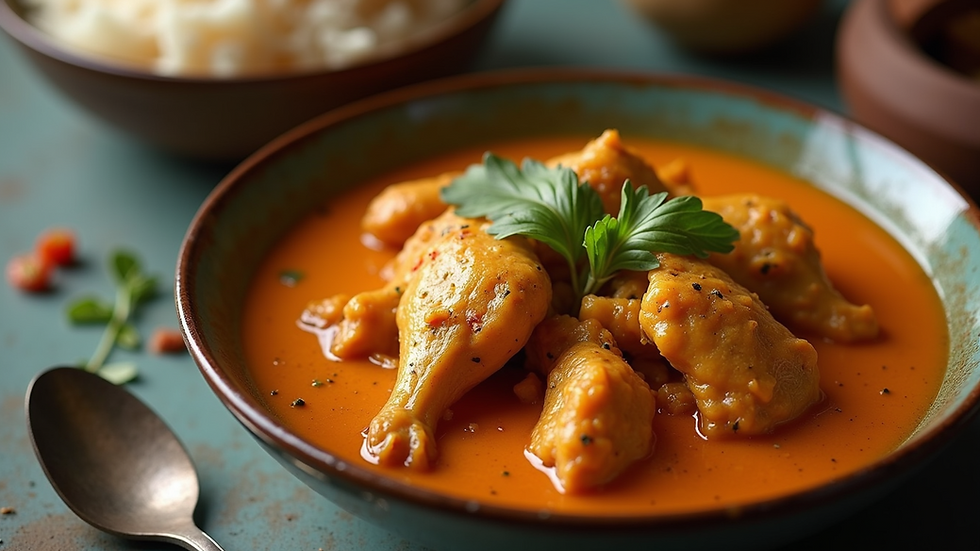
Traditional Portuguese-Malaysian chicken curry, a signature dish of the Kristang community
What is the ethnic group Kristang?
The Kristang people are a unique ethnic group originating from the intermarriage between Portuguese settlers and local Malays in Malacca, Malaysia, during the 16th century. This community has preserved its distinct identity through language, religion, and culinary traditions. The Kristang language, a creole based on Portuguese, is still spoken by some members of the community.
Their culture is a blend of European and Asian influences, which is most evident in their food. The Kristang community has maintained many Portuguese customs while embracing local Malaysian traditions, resulting in a rich cultural mosaic. Understanding the background of the Kristang people helps to appreciate the depth and significance of their cuisine.
Key facts about the Kristang ethnic group:
Descendants of Portuguese colonists and local Malays.
Primarily based in Malacca, Malaysia.
Speak a Portuguese-based creole language.
Practice Roman Catholicism.
Known for their vibrant festivals and culinary heritage.
Signature Ingredients in Portuguese-Malaysian Dishes
The magic of Portuguese-Malaysian dishes lies in the ingredients that bring the flavours to life. Here are some of the key components that define this cuisine:
Spices and herbs: Mustard seeds, cinnamon, cloves, star anise, and chili peppers.
Seafood: Fish, prawns, and squid are commonly used, reflecting the coastal origins of the community.
Tamarind and vinegar: These add a tangy and sour note to many dishes.
Coconut milk: Adds creaminess and balances spicy flavours.
Sugee (semolina): Used in desserts like Sugee Cake, giving a unique texture and nutty flavour.
These ingredients are often combined in slow-cooked curries, stews, and baked goods, creating layers of taste that are both comforting and exciting.
Cooking tips:
Toast spices before grinding to release their full aroma.
Use fresh tamarind paste for authentic sourness.
Balance spicy dishes with a touch of sweetness or creaminess.

Traditional Sugee Cake, a beloved dessert in Portuguese-Malaysian cuisine
How to Experience Kristang Cuisine Today
If you want to experience the flavours of the Kristang community, there are several ways to do so:
Visit Malacca: The historical city is the heart of Kristang culture and offers many restaurants serving authentic Portuguese-Malaysian dishes.
Attend cultural festivals: Events like the Malacca Portuguese Festival showcase traditional food, music, and dance.
Cook at home: Many recipes are available online, allowing you to try making dishes like Devil’s Curry or Sugee Cake yourself.
Join food tours: Guided tours often include stops at Kristang eateries, providing insight into the history and preparation of the dishes.
By exploring these options, you can gain a deeper appreciation for the community’s culinary heritage and enjoy delicious meals that tell a story of cultural fusion.
Embracing the Legacy of Portuguese-Malaysian Flavours
The rich history and unique blend of influences make Portuguese-Malaysian dishes a fascinating culinary journey. The kristang cuisine is a testament to how food can preserve identity and bring people together across generations. Whether you are a food enthusiast or simply curious about new tastes, exploring this cuisine offers a rewarding experience.
Try incorporating some of these dishes into your next meal or plan a visit to Malacca to taste the authentic flavours firsthand. The warmth, spice, and history of Portuguese-Malaysian dishes are sure to leave a lasting impression.
Enjoy the adventure of discovering a truly unique culinary tradition!


Comments